CEDA Dredging Days 2024: My Presentation On Clay Cutting

Initial clay cutting tests for my PhD project CHiPS

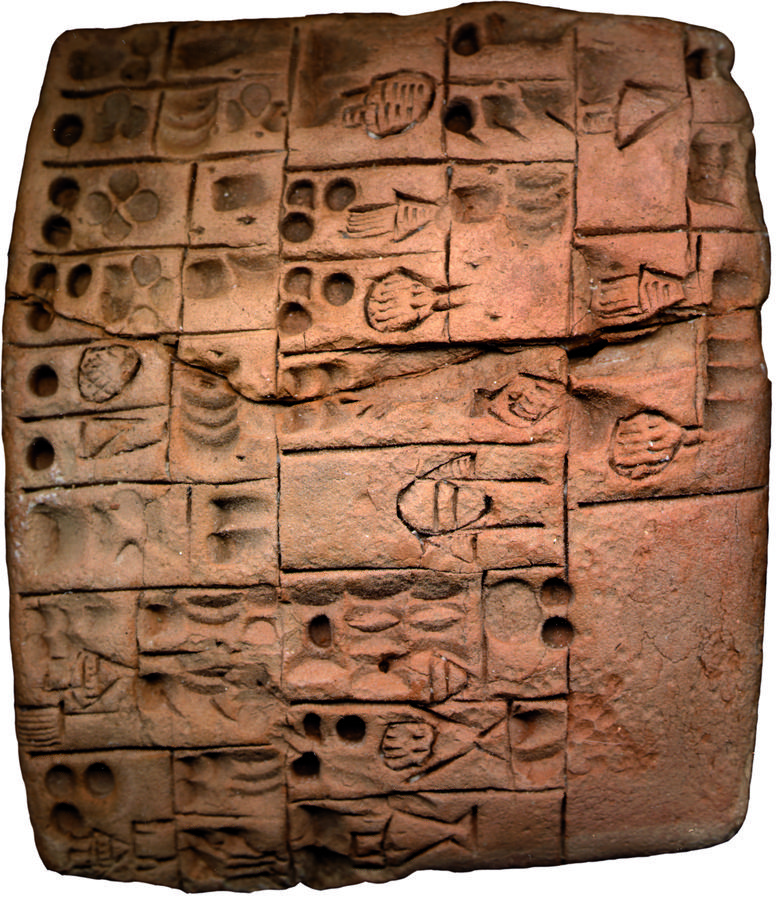
Next week is the biannual CEDA Dredging Days event1. This time fully focused on presentations, networking and having a good time together with like minded people. Since a long time, it will not be in conjunction with the distractions of the Europort exhibition. Instead, it will be in the impressive WTC Rotterdam. This is an excellent opportunity to share with you the progress of my PhD project on clay cutting at the TU Delft2. As a teaser, I would like to share with you some observations from my literature study, already3. Starting to search for literature via Google results in this:

Literature on clay (Kushim, 3400BC)4

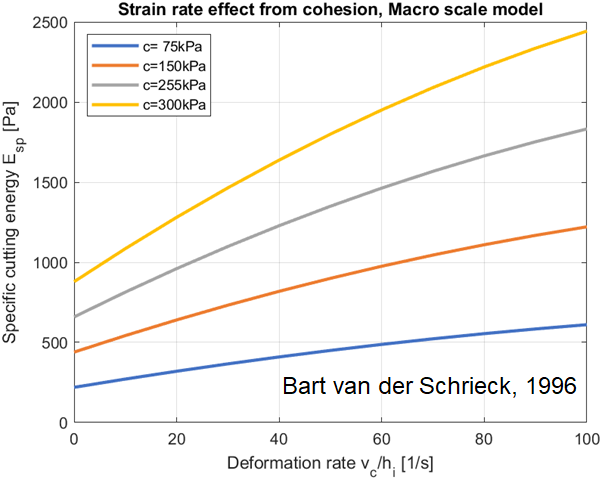
When estimating the cutting production of a dredge, the objective is to find the specific cutting energy for that dredge in combination with the soil properties and correctly chosen operational settings. The specific cutting energy is the amount of power needed to excavate a volume of soil from the bottom5. The funny thing is, when you work out the dimensions of the specific cutting energy, the unit is similar to a stress or pressure. So, there should be a direct relation between the specific cutting energy and a soil property. But which one? For cohesive soils as clay, there are: shear strength, cohesion, adhesion, tensile strength, yield strength. The VOUB course6 recommends to use an empirically derived relation between the cohesion and the deformation rate (which in turn is based on the operating settings) for the specific cutting energy.

Specific Cutting Energy Empirical (Bart van der Schrieck, 1996)

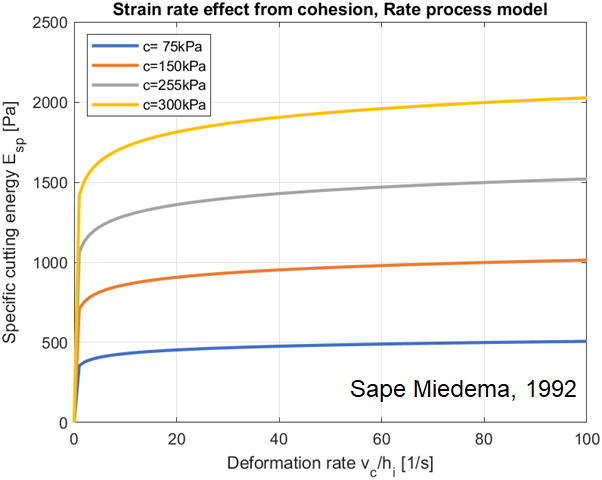
In contrast to this empirical model, one could also start at the displacements of the clay particles and model the implications for the larger continuum mathematically. This has been investigated by Sape Miedema, who has published countless articles and an impressive book on the topic7. Following this through, the estimated specific cutting energy is in the same range as the empirical model. However, on closer inspection, there are some variations on the outer limits of the deformation rate.

Specific Cutting Energy Theoretical (Sape Miedema, 1992)

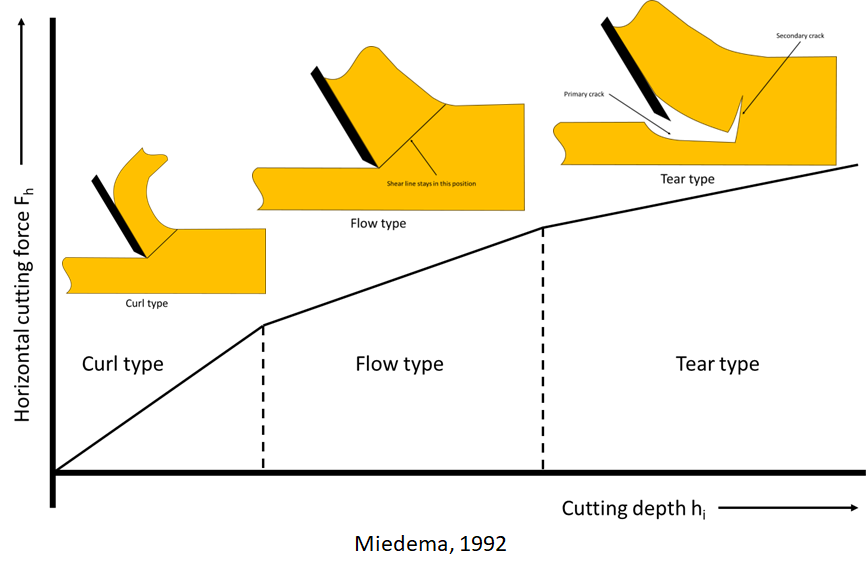
This discrepancy is probably due applying the model under all conditions. Miedema already recommends to check for the validity of the assumptions in the model. At very thin cutting layers, the resulting chip may form a long curl. When cutting thick layers, the blade will cut out chunks. And those cutting types will have different force equilibriums, resulting in different cutting forces. Miedema suggested a three regime map of cutting types, which coincidently resembles the curves found empirically.

Cutting types (Sape Miedema, 1992)

It appears, there are many more cutting types possible for a myriad of soil properties and operating conditions. However, the published results and proposed models are not directly applicable for the dredging industry. Either the conditions or assumptions differ (dry earth works for example) or parameters or data has been failed to included in the publication. This leads to some white spots in the knowledge that I hope to colour in with my future models and upcoming experiments8.

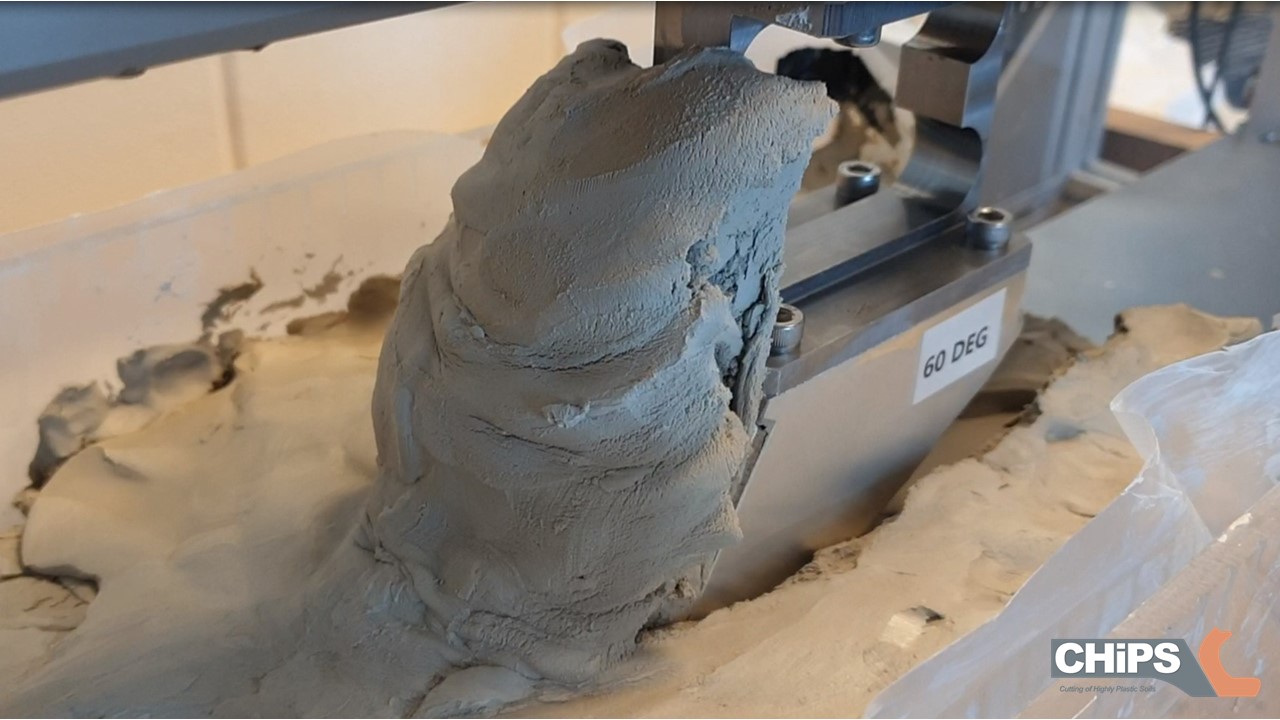
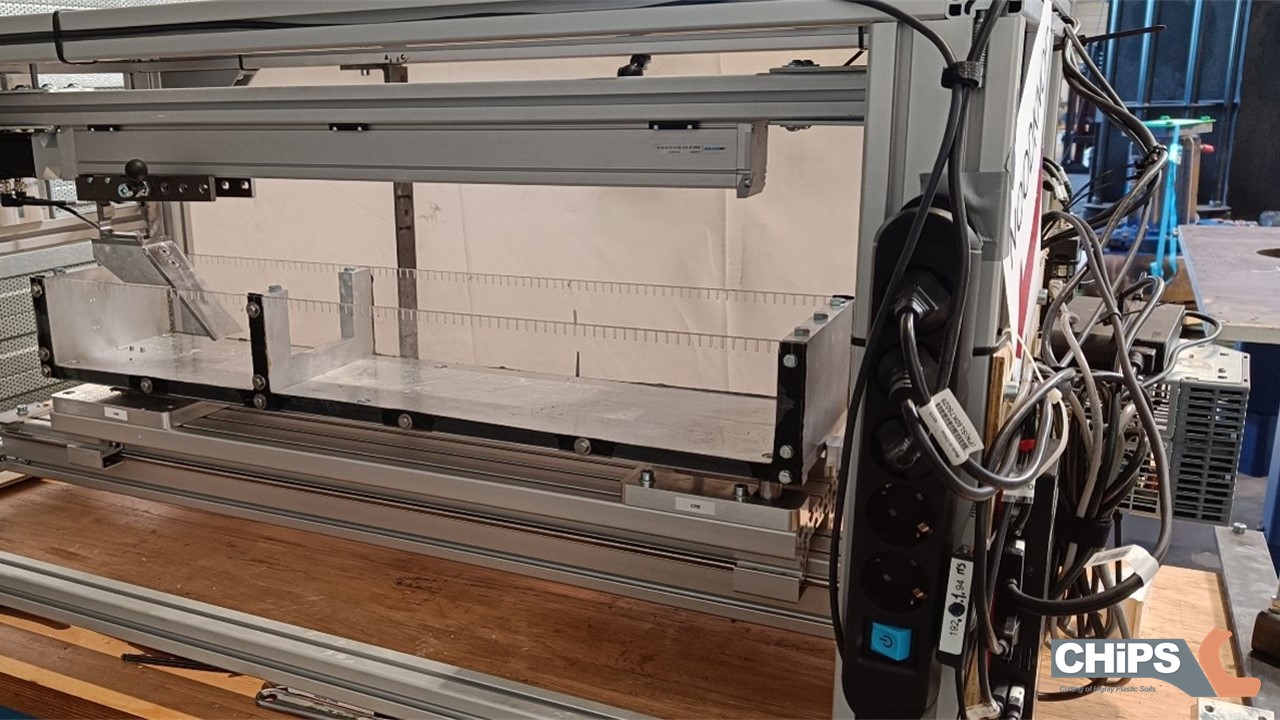
Clay cutting test rig at DDE in Nijkerk

References

  1. Welcome to CEDA’s (revamped) Dredging Days 2024
  2. Personal Announcement: Going Back To School To Cut Some Clay
  3. CEDA Announcement of my presentation, LinkedIn
  4. What was the first (known) maths mistake? Matt Parker
  5. Experiencing The Cutting Edge Of Dredging Technology
  6. VOUB Cursus 1998, Deel X, hoofdstuk 12, VBKO
  7. The Delft Sand, Clay & Rock Cutting Model, Sape Miedema
  8. Mechanical excavation of clayey soils, a review of the physical phenomena occurring, Mark Winkelman et al (CEDA Dredging Days 2024)

See also

Wim Vlasblom Passed Away, a Loving Memory of a Practical Academic

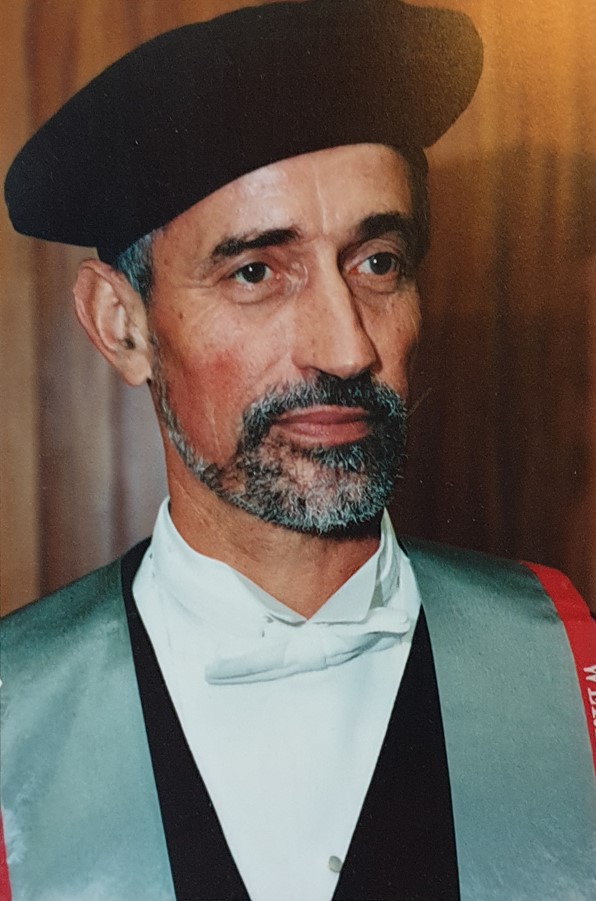
Professor Wim Vlasblom

Wim Vlasblom was already less visible for our community for some time. And still, the news of his passing away struck me1. He was my graduation professor and I do have very fond memories of him. I think my memories will give you some insight into the special person he was to me and many others.
His specialty was his ability to reduce complex problems to a balanced system of manageable models. They might have been a correctly formulated theoretical, model. But it might as well be an empirically observed behaviour. When applied, the estimated operating settings would yield you pretty accurately the calculated dredge production. Thus lowering the risk of project cost overruns or devising a cunning plan to approach the project for a guarantied success.
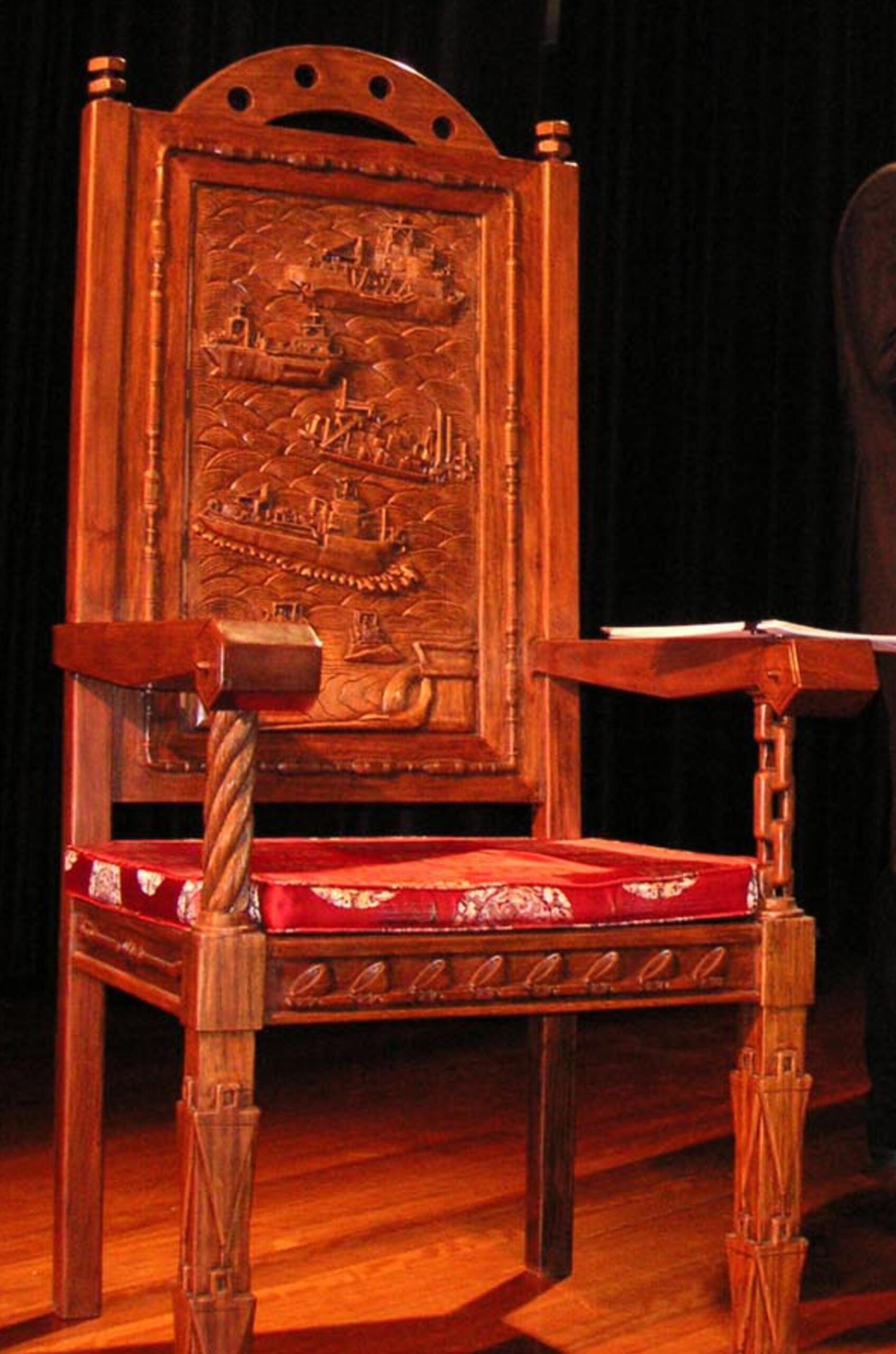
One of his practical academic achievements was his contribution to the success of the immense Chek Lap Kok project in Hong Kong2. As a token of appreciation for his work there he personally received one of the dredging chairs. Every student was expected to sit in this throne to take his/her graduation exam. From personal experience: you immediately feel extra stressed because of the uncomfortable seat.

Personal dredge chair given to professor Vlasblom (Credit: CEDA)

When my own graduation did not progress, he was so kind to offer me to assist him with his lectures. For his lectures he needed pictures drawn to explain the material, which I made for him. He recognised, that the information he would be providing was mostly the same as presented in the dredging course (VOUB course) of The Dutch Association of Contractors in Dredging, Shore and Bank Protection3. He negotiated to use his pictures in their textbooks also. And I am proud that whenever I see his lecture notes or the textbooks, there are still some of my pictures in it.
Overhauling the lecture notes and the textbooks came at a crucial turning point in society: the penetration of home computing and the sprawling internet. He was keen on writing his lecture notes completely digital. We even investigated to convert the text into hypertext. Either in the form of a windows help file, so everybody could download the contents and learn off-grid. Or alternatively structure it in an http environment and put it out on the web. We were desperately seeking the best way for the structure and Wim devised a template that was very similar to what is now used by Wikipedia, although he was ahead of them by six years.

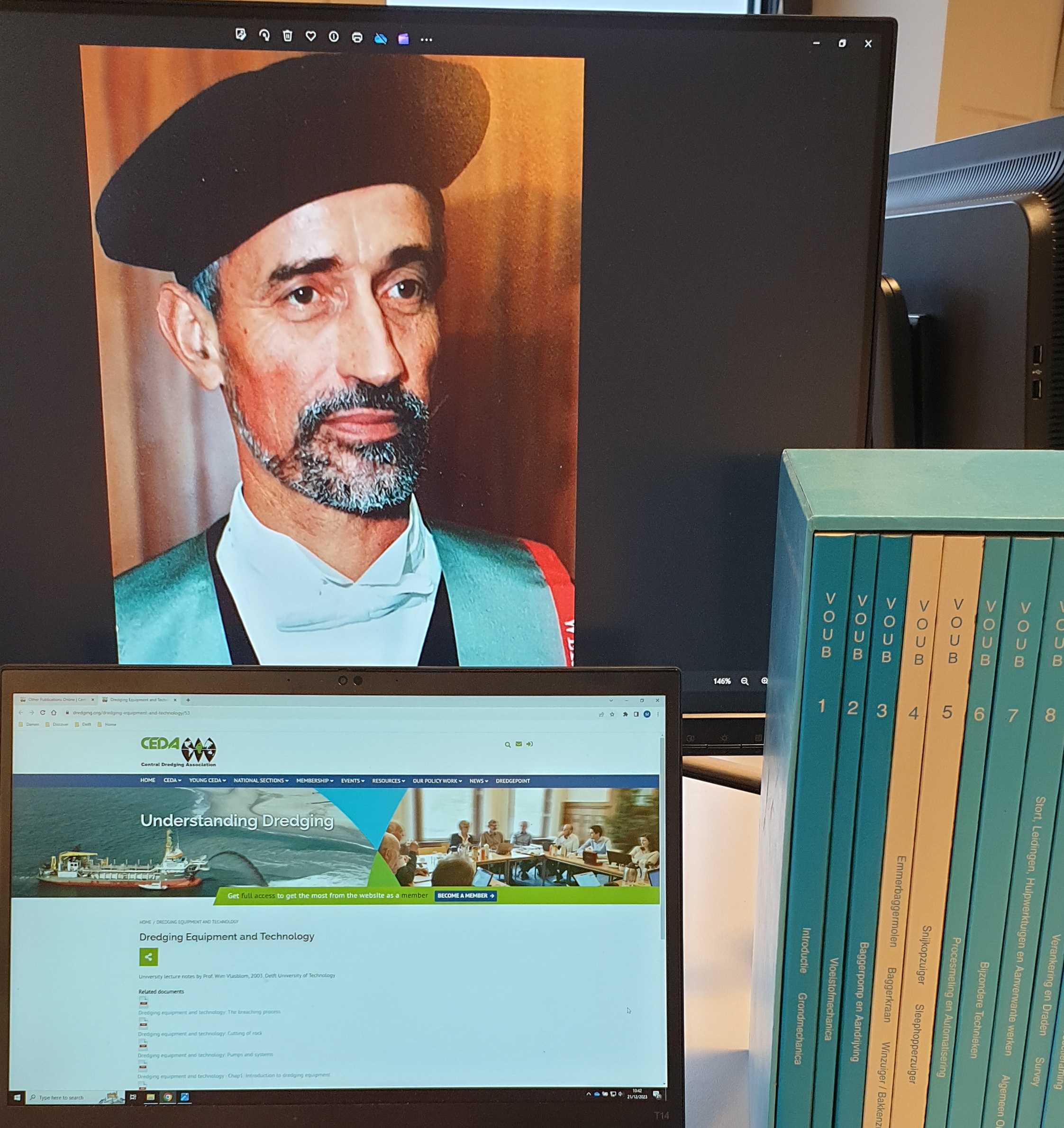
Lecture notes of professor Vlasblom and VOUB course books

Where the VOUB course was available on paper in a luxurious box and treasured by the students that obtained their VOUB diploma, the TU Delft lecture notes were published as plain pdf files on the nascent internet, achieving a much wider audience. Even today, I receive requests from clients all over the world that want to have the performance of their dredge checked according to ‘the calculation methods of professor Vlasblom’. The CEDA repository is currently providing access to them and I would encourage you to check it out for yourself4.
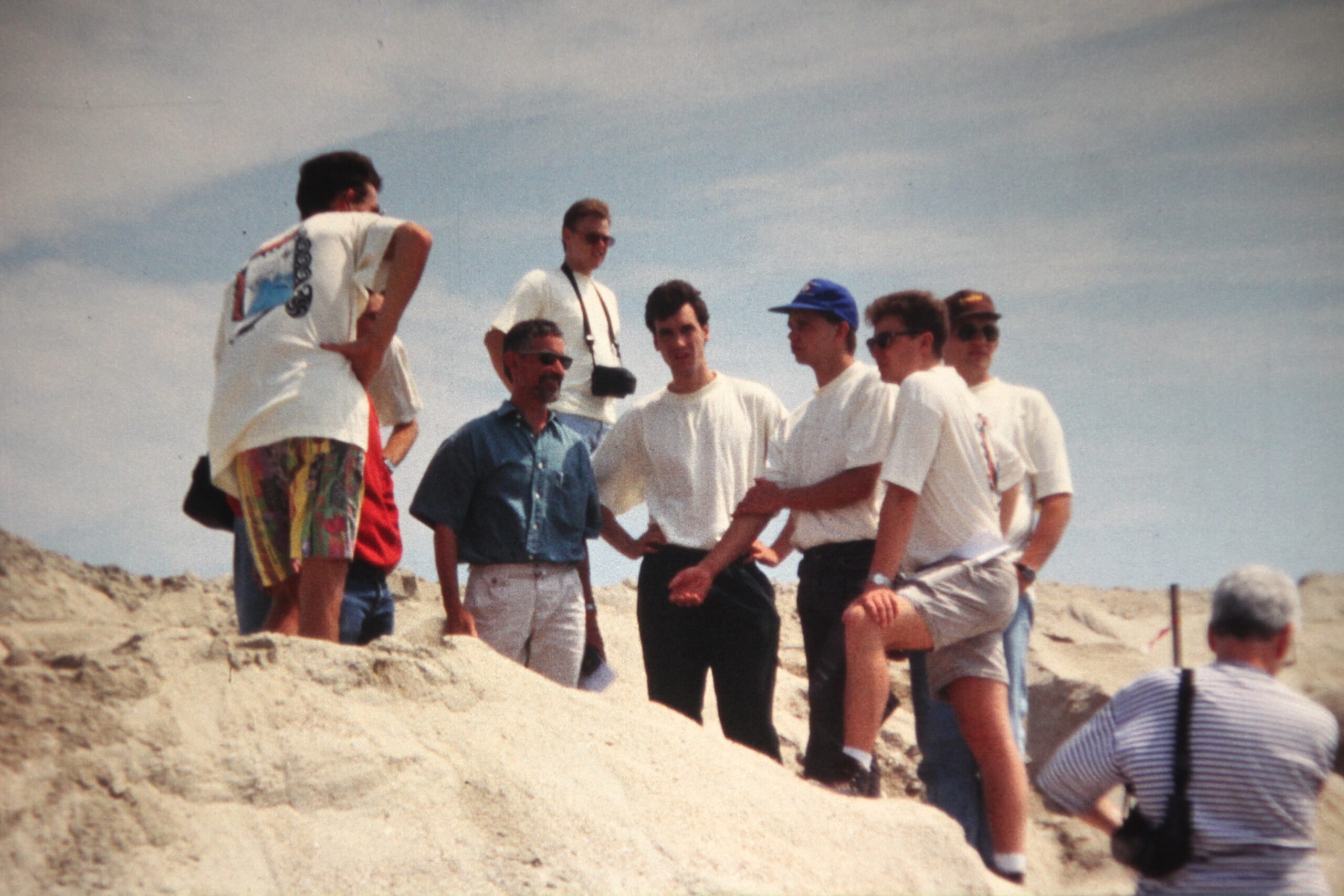
Although Wim had a world wide impact with his online lecture notes, his personal approach in conveying his knowledge to the people around him made him a very amicable professor. Below, Wim can be seen to share his knowledge at one of his site lecture to my fellow students during our international field excursion. The quality of the picture is clearly from 1995, but it shows exactly the way I remember him from happier times. Standing in the middle of a dredging project, surrounded by his curious students and always closely accompanied by his always supporting wife Els.
Dear Els, my sympathy to you and your family for the loss of Wim.

Professor Vlasblom during a site lecture

References

  1. Prof. Wim Vlasblom, memorable key person of CEDA, has passed away, CEDA
  2. Hong Kong International Airport, Wikipedia
  3. Opleiding VOUW, Waterbouwers
  4. Dredging Equipment and Technology, CEDA

See also

Prof. Wim Vlasblom’s farewell, CEDA

Cees van Rhee Passed Away, a Visionary Leader for the Dredging Community

Cees van Rhee at the TU Delft Dredging Technology Laboratory (Credit: TU Delft)

This is an article I didn’t want to write. My professor Cees van Rhee passed away last weekend1. This was devastating news for his family and all those who surrounded him at the TU Delft. Cees was still enjoying life, he died doing his favourite hobby: fishing. Always looking ahead, he was determined to be my promotor for my PhD. project. I know him already so long. When he was doing his PhD. project, I was graduating on my masters in the same lab. It would be fitting to be his last PhD. student. Fate has decided differently. As he was a public figure, you will receive in the news probably some factual biographies about him2. But he was so much a person to me, that I want to highlight some of his thoughts and contemplations for you.

When Cees assumed his position as dredging professor3, he set three goals to work on:

  1. Bring the department of dredging engineering under a single faculty
  2. Improve the quality of research and education
  3. Make the dredging community conscious of designing equipment for performance

He managed to merge the civil engineering branch and the mechanical engineering branch of the dredging engineering department as one of his first feats as new professor. The second goal can be sensed from the enormous increase in publications during his tenure4. And not only in the usual dredging literature, but also in highly regarded scientific journals. A standard he also imposed on my own PhD. project. The final goal is a real dot on the horizon and is therefore harder to achieve. He engaged with the rest of the dredging community through his numerous activities for the CEDA. Bringing his academic perspective to the industry.

In response to the drivers for dredging: population growth, transport demand and sea level rise, he saw the following challenges:

  1. Continuous innovation to stay ahead of the competition
  2. Re-allocation of labour for the manufacturing of equipment
  3. Understanding the dredging processes on a fundamental level
  4. Development of AI for supporting optimal operation

These challenges are still valid and are a sign of his visionary academic approach to dredging. Most of the research are contributing to solve these challenges. As a leader of the department of Dredging Engineering he lead his colleagues into a solid self-supporting team of specialists. I think we are still in a good position to tackle the challenges, but have to be careful to maintain this advantage.

Cees left a legacy of a high academic standard for dredging engineering. Torn away from life and so many projects ongoing, there will be a lot of loose ends to tie. And I am proud, that I can be part of it. When I approached him for my PhD. plans, he suggested to follow certain ideas that have been slumbering around, but were dormant because by now everybody uses finite element applications to study those problems. He was really happy that I came along with my old school analytic competences to pick up that gauntlet. I have some promising preliminary results already. And I am so sorry, he will never be there to enjoy the results that confirm he was onto something good.

We will all miss you. Thank you Cees.

Cees van Rhee welcoming the audience at the 2019 CEDA Dredging Days (Credit: CEDA)

References

  1. In Loving Memory of Prof. dr. ir. Cees van Rhee, LinkedIn
  2. In Loving Memory of Prof. dr. ir. Cees van Rhee, CEDA
  3. Over grensvlakken en het verleggen van grenzen, TU Delft
  4. Cees van Rhee, ResearchGate

See also